
Psychometrics, Reimagined
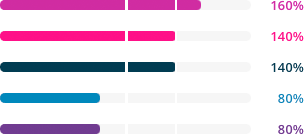
Can you visualise your inner world?
Psychometrics are widely used in therapy, coaching, and organisational settings. They produce scores, charts, and profiles that are meant to increase understanding. Yet results are often left as numbers on a page. The structure is there, but the meaning can feel clinical, flat, or hard to relate to. Especially if language matters to you and the options never quite fit.
This space keeps the data but changes how it is presented. Existing measures are visualised clearly and interpreted in neurodiversity affirming language. New tools use open responses and pattern based scoring. The aim is not to label you, but to make psychological data easier to recognise and use.
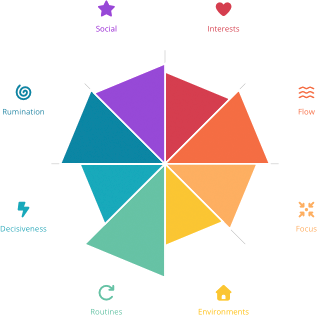
Monotropism Questionnaire
This questionnaire explores how your attention and interests naturally organise themselves. It looks at how focus, routines, environments, and areas of deep interest inform everyday experience. While many Autistic and ADHD people score higher on monotropism, everyone can be monotropic.
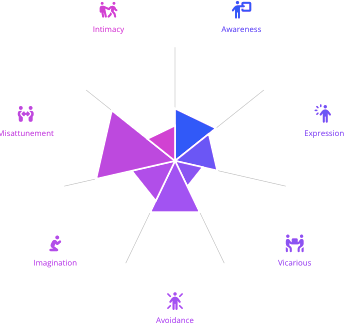
Internal Experience Scale
This questionnaire is based on the original Online Alexithymia Questionnaire. This version keeps the same overall structure and purpose, while updating the dimension names and descriptions to use clearer, more neutral language.
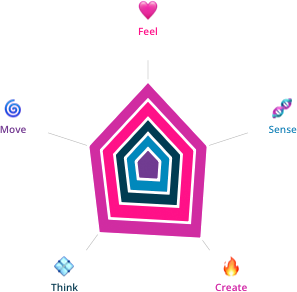
In Development: Experience Resonance Screener
This screener is based on Kazimierz Dąbrowski observation that some people feel, sense and think with more intensity and depth. The screening is, however, slightly different. Instead of selecting different scores for statements, you respond with written text or audio transcript.